The School Supply You Can't Buy
/The Most Important Thing on Your Back-to-School Shopping List Isn't in a Backpack
Every August, parents do the same thing.
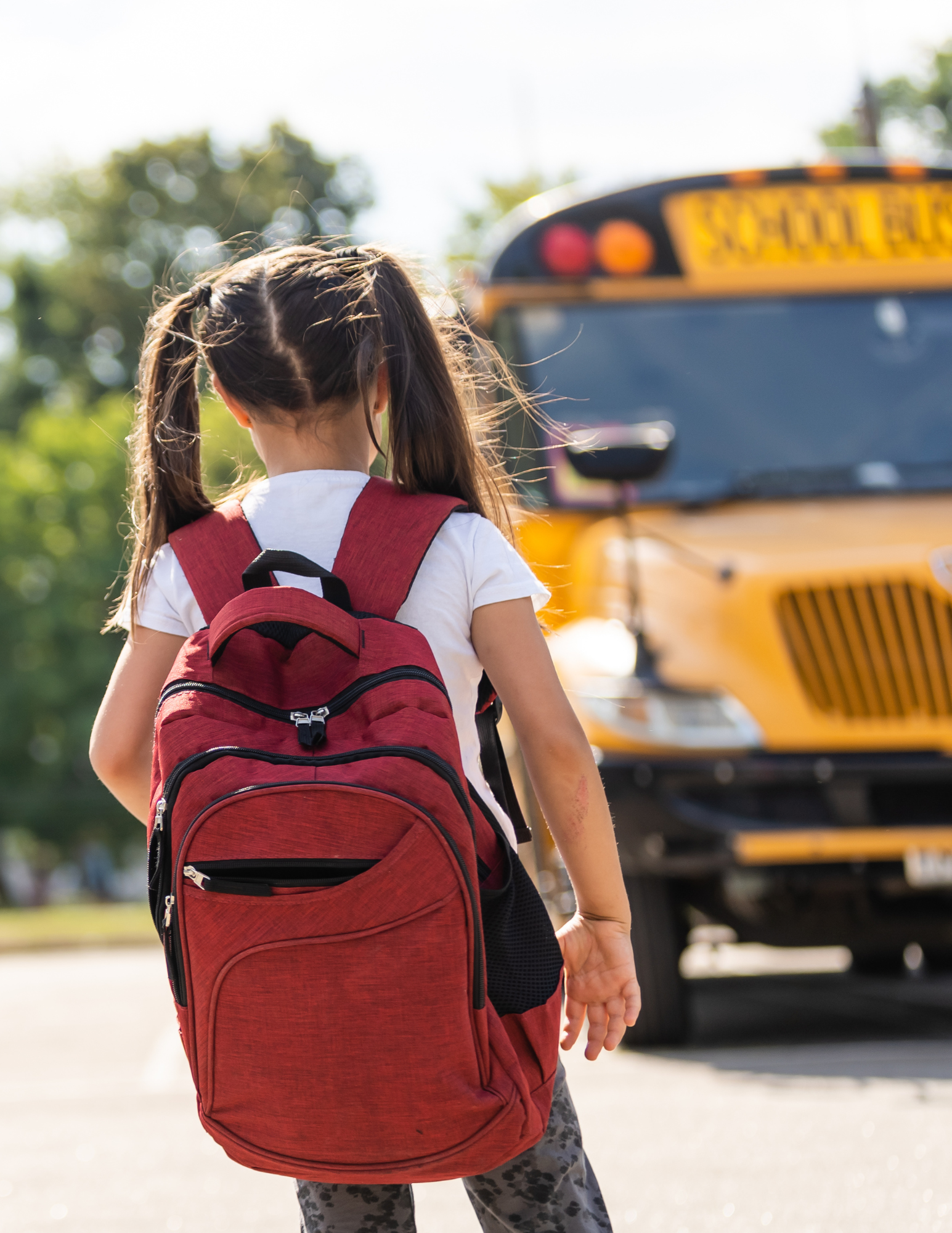
We buy the backpack. The lunchbox. Fresh pencils. New shoes. Color-coded folders. Maybe even the water bottle that somehow costs more than the backpack.
We spend weeks making sure our kids have everything they need for a great school year.
But what if the most important thing you could give your child this school year isn't something you can buy?
What if it's a regulated, adaptable nervous system?
School Is One Big Transition
Back-to-school season is exciting, but let's be honest. It's also a lot.
New teachers.
New routines.
Earlier mornings.
Homework.
Sports.
Busy evenings.
New friendships.
New expectations.
For kids, that's a tremendous amount of change all at once.
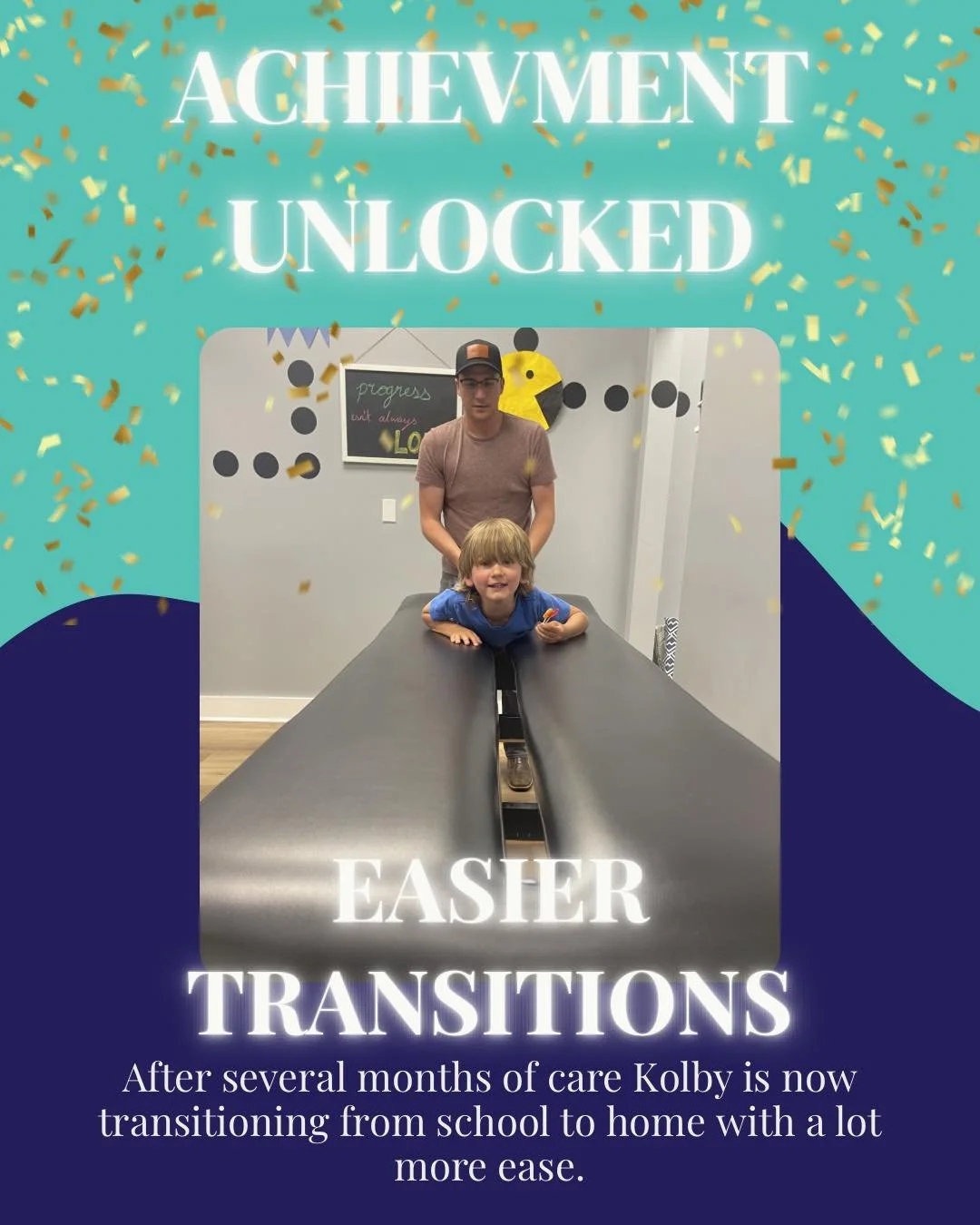
Some children seem to jump right in and adjust quickly. Others need a little more time. They may seem more emotional, more tired, or have a harder time finding their rhythm.
That doesn't mean anything is wrong with them.
It simply means they're adapting to a lot.
The Real Skill Kids Need Is Adaptability
When we think about preparing our kids for school, we usually focus on what they'll need in their backpack.
But the ability to adapt is just as important.
Every day, your child's brain is taking in new information, solving problems, navigating friendships, listening to teachers, switching between subjects, and figuring out how to respond to everything happening around them.
That's a big job.
Their nervous system is responsible for helping them process all of it.
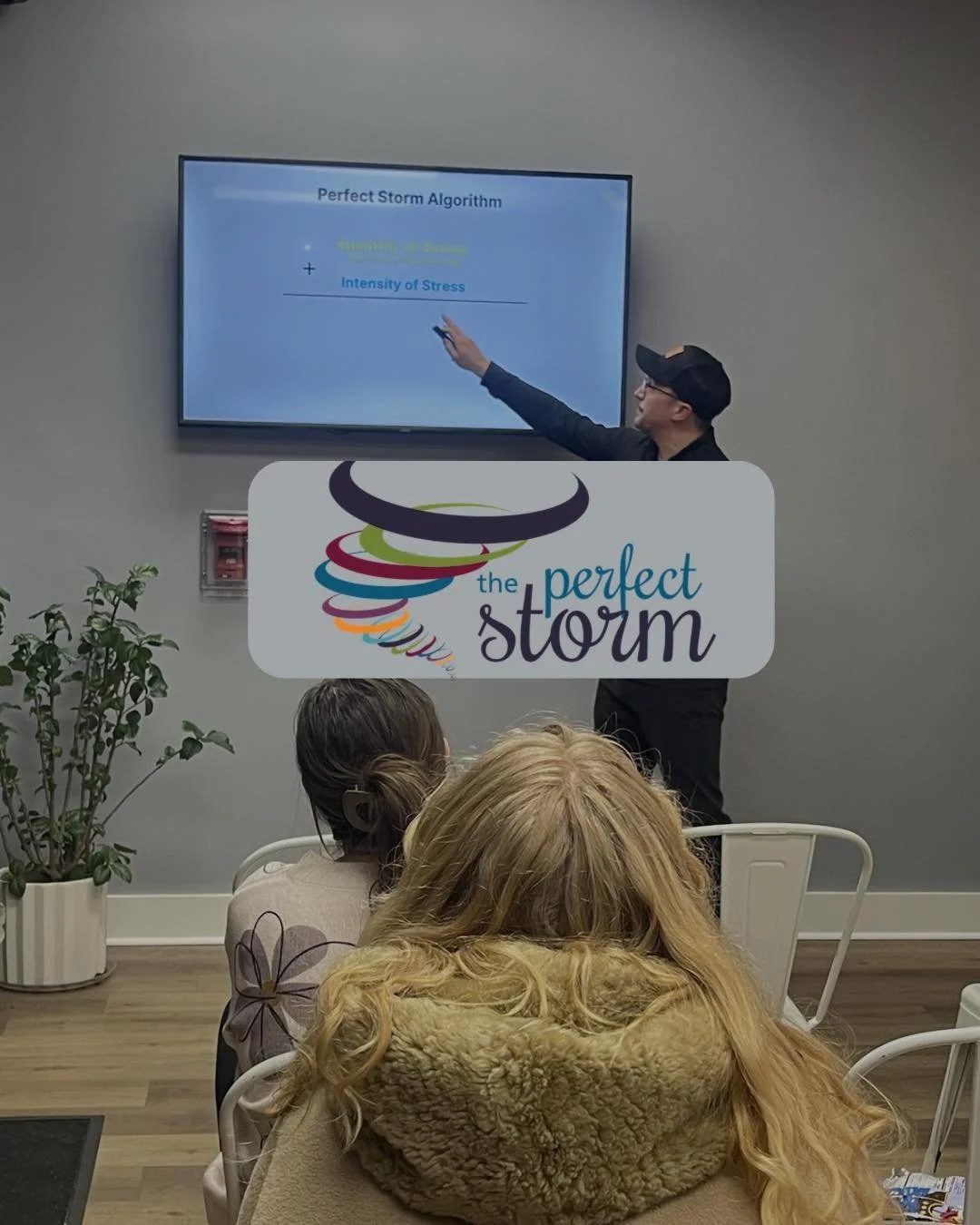
We often explain it like a computer's operating system. When the operating system is running well, everything else works better. When it's overloaded, even simple tasks become more difficult. It's not because the computer is broken. It simply isn't running as efficiently as it could.
Kids work the same way.
Stress Isn't the Enemy
As parents, we naturally want to protect our children from stress.
But here's the thing.
Stress isn't always bad.
Learning something new is stressful.
Making a new friend is stressful.
Trying out for a team is stressful.
Giving a class presentation is stressful.
Growing up is full of challenges, and that's okay.
The goal isn't to remove every challenge from our kids' lives.
The goal is to help them become more adaptable so they can move through those challenges with confidence.
A Regulated Nervous System Changes Everything
When a child's nervous system is functioning well, they're better equipped to handle the normal ups and downs of life.
They may find it easier to:
Focus in class
Move from one activity to another
Handle disappointment
Recover after a difficult day
Sleep well
Stay emotionally flexible
Learn new skills
Connect with teachers and friends
Those aren't things you can buy at Target.
But they're some of the most valuable tools a child can have.
Think About It Like a Car
Imagine getting ready for a road trip.
You pack snacks.
You fill the cooler.
You charge everyone's devices.
You load the luggage.
But if the engine isn't running well, none of those things matter very much.
The engine is what makes the whole trip possible.
Your child's nervous system is a lot like that engine. It helps coordinate communication between the brain and the rest of the body so they can respond and adapt to whatever the day brings.
This School Year, Prepare From the Inside Out
Of course your child needs school supplies.
They need backpacks and notebooks and pencils.
But they also need a body that's ready to adapt to new experiences.
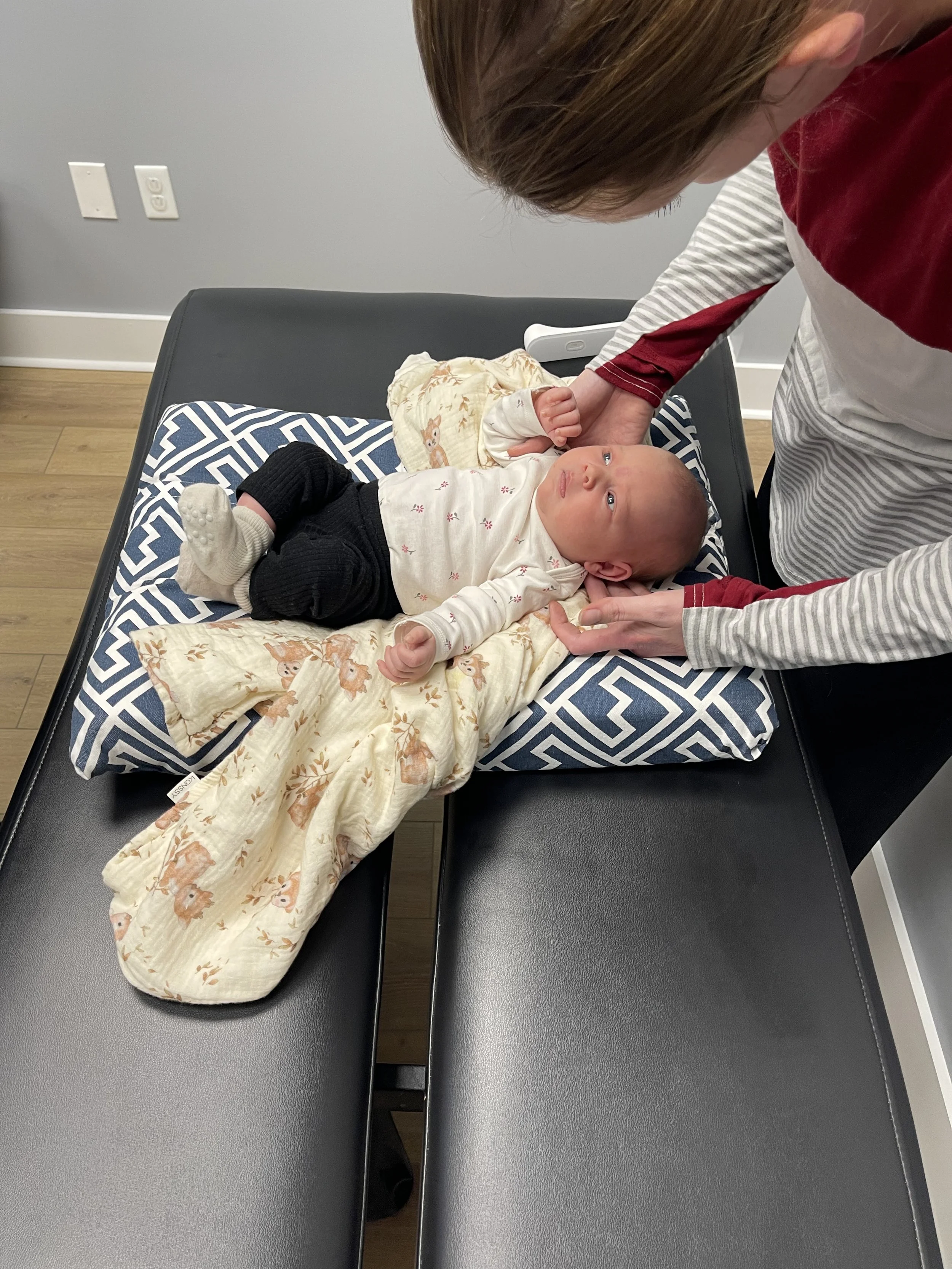
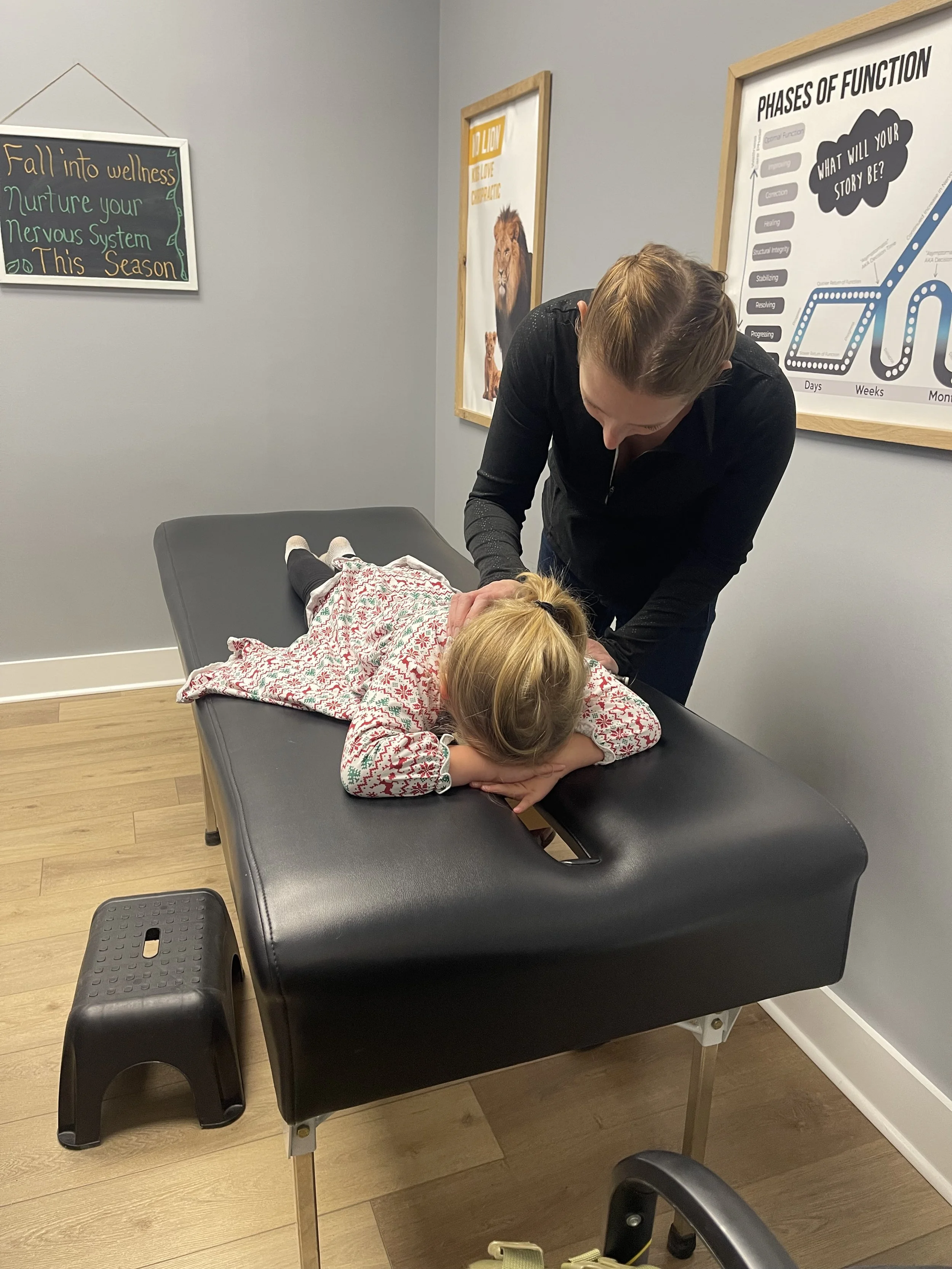
At Crossroads Chiropractic, we believe one of the greatest gifts we can give our kids isn't another item on the shopping list. It's helping their nervous system function the way it was designed to, so they can better adapt to all the excitement, growth, and challenges that come with a new school year.
Because success this year won't be determined by the brand of backpack they carry.
It will be shaped by how well they're able to adapt to everything they carry with them.
Here's to a school year filled with growth, confidence, resilience, and kids who are ready for whatever comes next.