Brain Building With Movement
/From the very beginning of life, your baby’s movements are doing far more than helping them explore their world, they are actively building the brain. Tiny kicks, stretches, reflexive patterns, and instinctive responses are not random or cute extras; they are the first building blocks of your child’s nervous system and brain development. These innate movement patterns, called primitive reflexes, are automatic programs wired into the brainstem that help shape neural connections before higher brain centers take over.
Primitive reflexes begin in the womb and continue after birth, laying the foundation for future milestones like head control, rolling, crawling, and eventually walking and coordinated movement. They help the baby adapt to life outside the womb by supporting essential survival behaviors, from feeding and breathing to interacting with the world, while simultaneously organizing early brain networks.
A smooth birth helps activate these reflexes at the right times; when those reflexes activate and integrate properly, they support the nervous system’s natural progression and help build the neural “highways” your child will use for learning, movement, and regulation. As a child grows, these primitive reflexes are meant to gradually integrate. This means higher brain centers take over, allowing movements to become more purposeful, coordinated, and controlled. When this process happens smoothly, it supports balance, posture, attention, emotional regulation, and learning.
However, if primitive reflexes do not fully integrate (whether due to stress during birth, early neurological challenges, or interruptions in movement patterns), it can leave the nervous system relying on old pathways. These retained reflexes act like old roads that weren’t replaced by modern highways, the brain still uses them even though they aren’t efficient for the tasks of everyday life. This can show up as uneven motor coordination, sensory sensitivities, emotional dysregulation, or learning challenges later in childhood.
Supporting these reflex patterns and their integration through movement, connection, and neurologically focused care gives your child the best possible groundwork for lifelong development, learning, and resilience.
HOW CHIROPRACTIC CAN SUPPORT
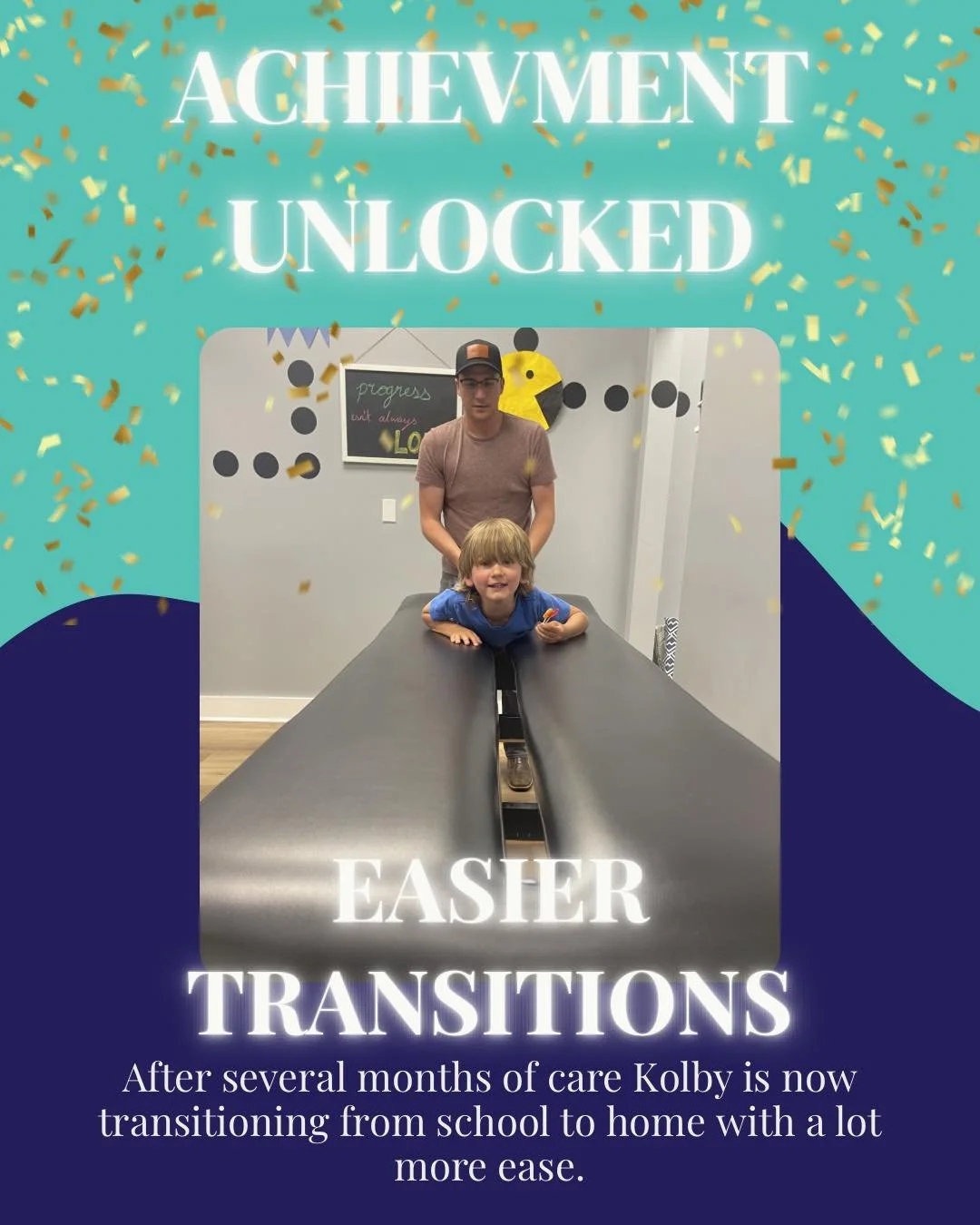
Because movement and neurological development are so closely connected, supporting the nervous system early matters. Neurologically focused chiropractic care is designed to help reduce stress on the nervous system, allowing your child’s brain and body to communicate more efficiently as they grow and move. By supporting proper neurological organization and adaptability, care works alongside natural movement patterns, helping your child build a strong foundation for development, regulation, and resilience.
This support helps the nervous system better coordinate movement, posture, and sensory input during critical stages of development. As neurological stress is reduced, the brain can more efficiently receive and integrate information from the body. Over time, this supports more organized movement and stronger brain-body communication.
This post summarizes and reflects on content originally published by Pathways to Family Wellness Magazine. The original article can be found on the Pathways to Family Wellness Magazine website.
Pathways to Family Wellness, Issue 85, Fall 2025